

8K ultrasound enhancement vs 3D and 4D ultrasound: Explained
A still portrait, a live glimpse of movement, or a more polished keepsake image: which experience are you hoping for? Understanding 8K ultrasound enhancement vs 3D and 4D ultrasound can help you choose. 3D ultrasound produces a three-dimensional still image; 4D adds time, so you may see movement during the session. The term “8K” often describes image enhancement or presentation, rather than the original scan’s resolution. It does not guarantee a clearer view or add details the scan did not capture. Before you book, ask what the studio means by 8K, what files you’ll receive, and what happens if your baby is difficult to see.
Key Takeaways
- Choose based on the experience you want: 3D offers a still, three-dimensional view, while 4D shows movement; 8K usually refers to image processing, not a separate scan format.
- Ask questions before you book: Check what the session includes, how images and videos are delivered, and what the studio offers if your baby is hard to see.
- Treat elective scans as keepsake experiences: They do not assess fetal health or replace prenatal care. Contact your provider with medical questions, and confirm current services and policies with Little Bellies Spa’s Davie studio.
What Is 8K Enhancement Compared With 3D and 4D Ultrasound?
The terms 2D, 3D, and 4D describe how ultrasound images are captured or displayed. “8K enhancement” usually refers to how an image is processed or presented afterward. Understanding the difference can help you know what to expect from an elective scan and what questions to ask before booking.
2D ultrasound captures scan data
A 2D ultrasound creates a flat, grayscale image using sound waves and their echoes. In prenatal care, a qualified medical provider may use 2D ultrasound as part of an exam to assess the pregnancy and fetal development. Elective ultrasound studios may also use this technology to give families a chance to view their baby, but an elective session is not a medical assessment.
If you have a health concern or want to understand what an ultrasound shows medically, contact your prenatal provider. The American College of Obstetricians and Gynecologists explains ultrasound exams during pregnancy, including how they fit into prenatal care. Keep recommended appointments with your care team, and treat elective imaging as a separate keepsake experience.
3D ultrasound turns scan data into a still, three-dimensional image
A 3D ultrasound combines image information captured from different angles to create a still, three-dimensional view. Rather than showing only a flat cross-section, it may offer a view of the baby’s facial features or body shape. The image captures one moment, though, not movement over time.
The result depends on what the equipment can capture during the session. Baby’s position and other scan conditions can affect the view, so a detailed image is not guaranteed. If you’re considering a keepsake appointment, ask which imaging formats are included and whether images are enhanced. Little Bellies Spa describes its elective ultrasound services in Davie, including 3D and other imaging options.
4D ultrasound shows 3D images in motion
The “4D” in 4D ultrasound refers to three-dimensional images shown over time. In a session, this can appear as a live view or video, allowing families to see movement such as a stretch, yawn, or kick when the baby is in view. Unlike a 3D still image, a 4D view captures a sequence of moments.
What you see depends on the baby’s position and the conditions during the scan. If the baby is facing away or moving out of view, it may be harder to get a clear look. A 4D appointment can offer a meaningful viewing experience, but it is not designed to diagnose a health condition. The Cleveland Clinic’s overview of 3D and 4D ultrasound explains how these formats differ from standard ultrasound imaging.
8K enhancement processes images; it is not another ultrasound dimension
Unlike 3D and 4D, “8K” does not describe another dimension of ultrasound imaging. In elective settings, the term often refers to image processing or presentation intended to make a keepsake image appear more polished or lifelike. The scan provides the image data; software may then alter how that data looks.
Enhancement can change an image’s appearance, but it cannot guarantee a clear view or add details the scan did not capture. Before booking, ask what the provider means by “8K enhancement,” whether it applies to still images or video, and what files you’ll receive. These details can help you compare services and set realistic expectations for your appointment.
“8K” may describe rendering or marketing, not the scan’s original resolution
The label “8K” may sound like a precise technical specification, but in elective ultrasound it can describe an enhanced rendering or presentation rather than the resolution of the original scan data. The term alone does not explain how an image was captured, what equipment was used, or how much detail will be visible.
Ask the provider to explain the process in plain language. Find out whether software creates the 8K-style look, whether original 3D or 4D images are included, and how the studio delivers images and videos. Families considering an appointment can review Little Bellies Spa’s Davie location and booking information. Comparing what each service includes is more useful than relying on the label alone.
How Do 8K, 3D, and 4D Ultrasounds Compare in Detail and Motion?
The labels describe different parts of the imaging experience. 3D creates a still, three-dimensional image, and 4D shows that image changing over time. “8K” usually refers to image processing or presentation, not a separate kind of ultrasound scan. Knowing the difference can help you choose a session that matches what you hope to see.
3D shows still images; 4D captures movement over time
A 3D ultrasound combines scan information to create a still, three-dimensional view. Depending on the baby’s position and the conditions during the scan, you may get a clearer look at features such as the face, hands, or feet. A 4D ultrasound adds time to that view, so you can watch movement as it happens. You might see a stretch, a yawn, or a hand moving near the face, though no particular movement is guaranteed.
The two formats offer different experiences, not a promise of a specific image. This comparison of 2D, 3D, and 4D ultrasound explains how 3D creates still images while 4D shows movement. Before booking, ask which formats the session includes and whether you’ll receive printed images, digital photos, or video.
8K may refine an image but cannot add details the scan did not capture
“8K” may refer to an enhanced or polished image presentation. It does not necessarily describe the resolution of the original ultrasound data, and it is not another ultrasound dimension like 3D or 4D. Image-processing tools can change an image’s appearance, but they cannot recreate details that were not captured during the scan.
When comparing services, ask what the provider means by “8K.” Does it describe a processing effect, the final display, or a particular service? The label alone does not show that an image contains more medically useful information. An explanation of 8K ultrasound presentation notes that the term does not, by itself, establish the original scan resolution or prove that more detail is visible.
Equipment, scan conditions, gestational age, and baby’s position affect image quality
Image quality depends on more than the type of scan. Equipment, the baby’s position and movement, and other conditions during the session can all affect what appears on screen. If the baby faces away or has a hand near the face, some features may be harder to see. The amount of amniotic fluid can also affect the view.
Gestational age may influence what you can see, too, but there is no one week that guarantees a clear image for every pregnancy. Your preferred timing may depend on whether you hope to see facial features or watch movement. Factors that can affect 3D and 4D image quality include the baby’s position and the amount of amniotic fluid. Ask the studio about its scheduling guidance and what happens if the view is limited.
Lifelike images do not confirm medical accuracy or improve diagnosis
A detailed, lifelike image can be a special keepsake, but it should not be treated as a medical assessment. Elective 3D, 4D, or enhanced imaging is intended to offer a viewing experience. It does not replace diagnostic ultrasounds, prenatal screening, or care from your pregnancy provider.
If you have a health concern or want to understand a finding, contact your prenatal provider rather than relying on an elective scan or its images. Clinical scans serve medical purposes and are considered in the context of your care. Information about 3D and 4D imaging emphasizes that lifelike images do not take the place of diagnostic scans or prenatal care. Keep recommended appointments and screenings, even if you choose to book a keepsake session.
Results vary, and no technology guarantees a clear view
No scan type or image enhancement can guarantee a clear view of the baby. Position, movement, and scan conditions may limit what is visible, even with 3D or 4D equipment. An enhanced finish can change how an image looks, but it cannot ensure that a particular feature will be easy to see.
Before booking, ask what happens if the baby is difficult to view, whether a return visit may be available, and what images or videos are included. Little Bellies Spa offers elective ultrasound services in Davie. Review the current service details and booking policies so you know what to expect from your visit.
What Do People Use 8K, 3D, and 4D Ultrasounds For?
Enhanced images can create polished keepsake portraits
Some families choose 8K enhancement to give a 3D ultrasound image a polished, lifelike look. The enhancement processes an image captured during the scan. It may change the image’s appearance, but it can’t add details the scan didn’t capture. The final result also depends on factors such as your baby’s position, movement, and how clearly the face appears during the session.
Before booking, ask the studio how it creates enhanced images and what you’ll receive afterward. Little Miracles Imaging’s comparison of 8K and 4D ultrasound explains the difference: 8K refers to image enhancement, while 4D shows movement over time. Neither option can guarantee a particular portrait, so check the studio’s policy if your baby is difficult to see.
3D images and 4D motion may help families feel closer to baby
A 3D ultrasound provides a still, three-dimensional view of your baby. A 4D ultrasound shows those images in motion, which may let you watch a yawn, stretch, or other movement during the appointment. For some parents and family members, seeing these details makes the experience feel more personal. Images and videos can also be a meaningful way to share the moment with loved ones who couldn’t attend.
Each session is different, and the view depends on your baby’s position and other conditions during the scan. The recommended timing for 3D, 4D, and 5D/HD imaging can vary based on how far along you are and what you hope to see. Ask the studio what happens if your baby’s face is turned away or hard to view.
Elective imaging offers a viewing experience, not a fetal health assessment
Elective 3D, 4D, and enhanced ultrasound sessions are intended to give families a chance to see their baby. They are not a substitute for a medical scan or an assessment of fetal health. Even a detailed-looking image can’t confirm that a pregnancy is progressing as expected. Image enhancement affects how a picture looks; it does not turn an elective appointment into a diagnostic examination.
Before booking, make sure you understand what the session is designed to provide. This guide to elective prenatal ultrasounds describes the experience as a way for parents to view their baby. If you have a health concern or want information about your baby’s development, contact your prenatal care provider instead of relying on an elective scan.
Consult a qualified prenatal provider about screening and health concerns
Your obstetrician, midwife, or other prenatal care provider can explain which scans and screenings are recommended for you. They can also answer questions about your pregnancy and help you understand the difference between medical care and an elective viewing session. If something you see or hear during an elective appointment worries you, share your concern with your provider. The studio’s staff can’t replace a clinician’s assessment.
For general information, the FDA’s guidance on ultrasound imaging explains the importance of using ultrasound prudently. Follow your prenatal provider’s recommendations for medical imaging, and contact them directly about symptoms or health concerns. An elective session should not be used to interpret screening results or check for a medical condition.
Use elective ultrasound alongside, not instead of, prenatal care
An elective ultrasound can be an optional way to enjoy seeing your baby, separate from the scans and checkups recommended by your prenatal provider. Keep your scheduled prenatal appointments, and contact your care team if you have symptoms or questions. A keepsake session, even one that produces clear images, doesn’t provide the same evaluation as medical care.
If you’re considering an elective visit in Davie, review Little Bellies Spa’s ultrasound services and confirm which options are currently available. Before booking, ask what the appointment includes, whether images or videos can be sent to your smartphone, and what happens if your baby is difficult to see. That way, you’ll know what to expect and can plan the visit around the care you receive from your prenatal provider.
When Should You Schedule an Elective 8K, 3D, or 4D Ultrasound?
26–32 weeks is a common window for keepsake imaging
Many families schedule a 3D or 4D keepsake ultrasound between 26 and 32 weeks. Around this stage, baby’s facial features may be more developed, while there may still be room to capture movement. Some studios suggest booking closer to 28 to 32 weeks for a detailed look, but there isn’t one perfect week for every pregnancy, and timing can’t guarantee a clear image. Babies Bakery’s guide to 3D and 4D imaging also describes this as a common window.
When you’re choosing an appointment, consider how many weeks pregnant you’ll be and what you hope to see. The studio can explain which timing may suit your goals.
Timing depends on your pregnancy, baby’s position, and the images you hope to see
Baby’s position can make a difference to the images. If baby is facing away, has a hand near their face, or is tucked into a position that blocks the view, it may be harder to capture a clear facial image. Pregnancy-related factors, including amniotic fluid levels, may also affect what the scan shows. Even with careful timing, results vary from one session to another.
Think about what you’d like from the visit: a still portrait, a glimpse of movement, or a shared experience with family. Then ask the studio which session and timing it recommends. Moms To Be Ultrasound’s scheduling guide discusses how fetal position and desired image detail can influence timing.
Ask your prenatal provider whether elective imaging is right for you
Elective ultrasounds are for viewing and keepsake images. They are not a way to assess your baby’s health or replace scans recommended as part of prenatal care. If you have questions about ultrasound safety or whether an elective session is suitable for your pregnancy, ask your prenatal provider before booking. They can give advice based on your individual care.
It’s also reasonable to ask the studio who performs the scan, how long the session lasts, and what the images can and cannot show. 4D Moments advises checking with your healthcare provider if you have concerns about an elective ultrasound. Keep your prenatal appointments, and contact your care team with medical questions.
Ask what happens if baby is hard to see and what images or videos you’ll receive
Before you book, ask what happens if baby’s position makes it difficult to capture clear images. Some studios may offer a return visit in certain situations, but policies and eligibility differ. Confirm the details directly, including any time limits or conditions, so you know what to expect if the view is limited.
Check what the session includes, too. Will you receive still images, video clips, or both? How will they be delivered, and can you share them with family? Little Bellies Spa’s Davie ultrasound services include images and videos sent to your smartphone, with complimentary return visits available in some cases. Confirm current services and return-visit terms with the studio when you book.
What Safety Guidelines Should Expectant Parents Know?
Ultrasound uses sound waves, not ionizing radiation
Ultrasound creates images using high-frequency sound waves, not ionizing radiation like X-rays. Still, that doesn’t mean every scan is automatically risk-free. Ultrasound energy can affect tissue, so experts recommend using it prudently and for a clear purpose. The FDA advises against keepsake scans performed solely to create images or videos, and recommends that ultrasound examinations be carried out by trained health professionals.
If you’re considering an elective 3D, 4D, or enhanced-image session, ask how the studio manages scan time and whether enhancement is applied after the images are captured. Enhancement may change an image’s appearance, but it doesn’t turn a keepsake session into a medical assessment. The FDA’s ultrasound guidance explains the importance of appropriate use.
Choose a provider with trained staff and careful scanning practices
Before booking, ask who will perform the ultrasound and what training they have. Find out how staff use the equipment, keep sessions within appropriate limits, and respond if you raise a medical concern. A warm, family-friendly experience can make a visit memorable, but elective imaging should be treated as a viewing experience, not a substitute for care from your prenatal provider.
It’s also worth asking what happens if your baby’s position makes it hard to capture the images you hoped for. Some studios may offer a return visit in certain circumstances, but policies vary. Confirm the details before you book. The AIUM’s guidance on prudent ultrasound use provides more information about responsible scanning.
Ask about staff qualifications, session length, equipment, and image processing
A few questions can help you understand what a session involves. Ask about the staff’s ultrasound training, the typical session length, and how the equipment is used. If the studio offers “8K” image enhancement, ask what that term means. It may refer to image processing or rendering rather than the original scan resolution. Find out whether the enhancement happens after the scan and whether it involves any additional scanning.
Also ask what images or videos you’ll receive, how they’ll be delivered, and what happens if your baby is not positioned for a clear view. Image quality can vary with gestational age, the baby’s position, and other scan conditions. A responsible provider will explain these limits and avoid promising a particular result.
Don’t use elective imaging to check fetal health or replace recommended scans
Elective ultrasounds are intended to offer a chance to see your baby, not to determine whether your baby is developing as expected. A detailed-looking image cannot confirm fetal health, rule out a medical concern, or replace scans recommended by your prenatal provider. If you have a health question or something about your pregnancy worries you, contact your obstetrician or midwife for guidance.
Continue with your prenatal care plan, including any screening or diagnostic scans your provider recommends. If you’re unsure whether an elective session is appropriate for you, ask your care team before scheduling. The American College of Obstetricians and Gynecologists’ overview of ultrasound exams explains how ultrasound is used in pregnancy care and why results should be discussed with a qualified clinician.
Explore Little Bellies Spa’s family-focused elective ultrasounds in Davie; confirm current services before booking
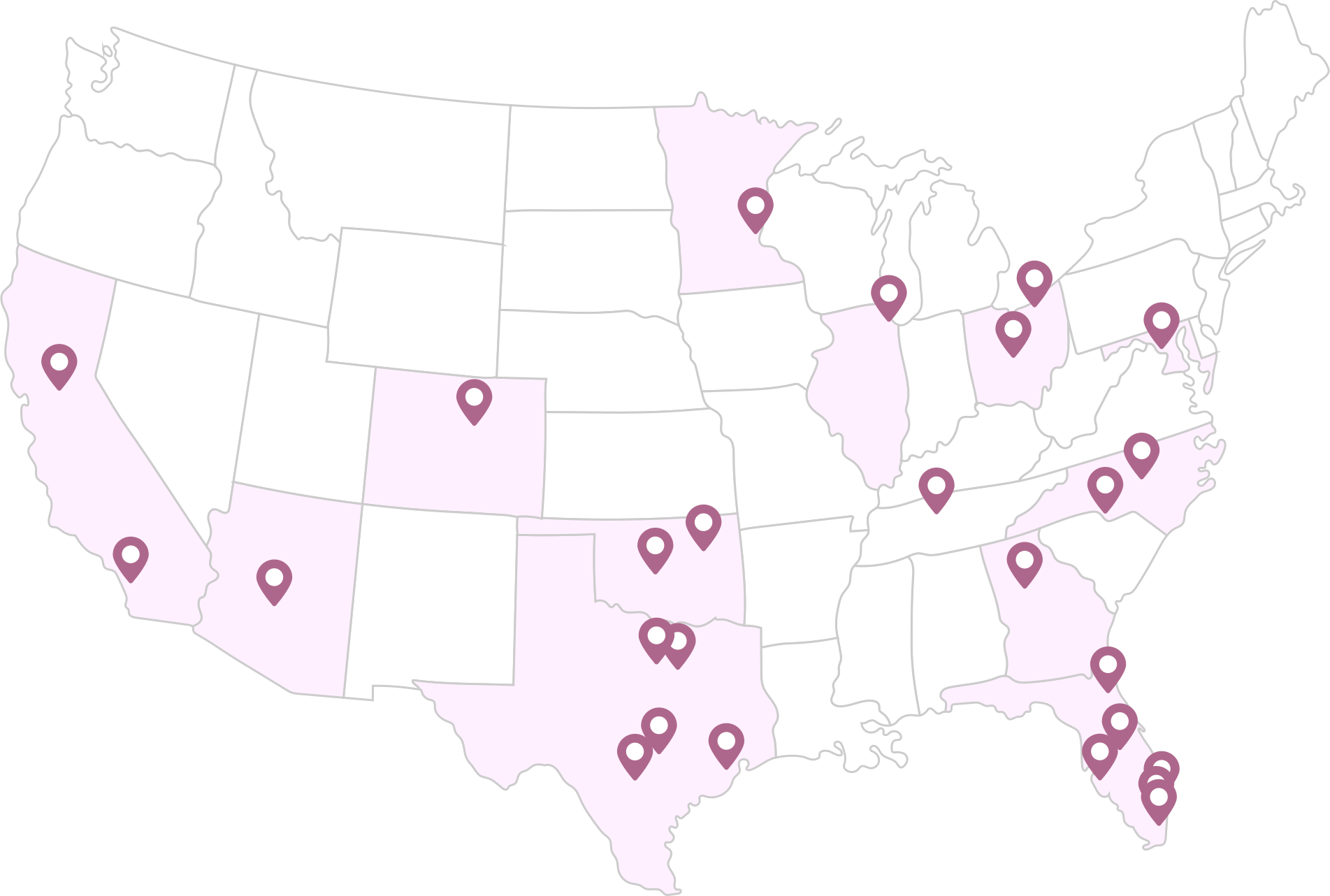
For families seeking a keepsake experience in South Florida, Little Bellies Spa offers elective pregnancy ultrasound services at its Davie location. The studio lists Davie ultrasound services such as 2D, 3D, 4D, and 5D/HD imaging. Contact the team to confirm which options are currently available and what each session includes. A complimentary return visit may be available in some cases if the baby is difficult to see, so ask about the current policy when booking.
Before scheduling, consider discussing elective imaging with your prenatal provider. You can also ask the studio about staff training, session length, image delivery, and image processing. Check the Davie location and booking information for current details.
Frequently Asked Questions
Is an 8K ultrasound the same as a 4D ultrasound?
No. A 4D ultrasound shows three-dimensional images over time, so you may see movement during the scan. “8K” usually describes image processing or presentation, not a separate type of scan.
Can image enhancement make my baby’s features clearer?
Enhancement may change how an image looks, but it cannot add details that the scan did not capture. Baby’s position and other scan conditions can affect the result, so a particular image is never guaranteed.
When should I book a 3D or 4D keepsake ultrasound?
Many families book between 26 and 32 weeks, but the best timing can depend on your pregnancy and what you hope to see. Ask the studio for guidance, and remember that timing cannot guarantee a clear view.
Can an elective ultrasound check my baby’s health?
No. Elective sessions offer a chance to view your baby and receive keepsake images or videos. They do not replace medical scans or prenatal care. Contact your prenatal provider with health concerns or questions about your baby’s development.
What if my baby is difficult to see during the appointment?
Ask the studio about its policy before booking. Little Bellies Spa may offer a complimentary return visit in some cases, so confirm the current terms when scheduling.
Important!
Ultrasounds provided by Little Bellies Spa have NO medical purpose and no medical reports are provided. Our only intent is to allow you and your family to share an unforgettable experience with your baby.

Little Bellies Spa is a Service by Pancita's Group.
We are a team of professionals dedicated to the care of women before, during and after pregnancy.
Little Bellies Spa was founded in 2015 with two locations in Florida, we have expanded to offer our services nationwide. We provide tools and support to women during the most beautiful and happy period of their lives.
In 2016 we introduced our Stretch Mark Therapy products. These products are now used by thousands of pregnant women to prevent and heal stretch marks. Find them at you local Little bellies Spa location or Amazon Prime.
Back in 1998, the Medical Chief Officer of Pancitas Group Dr. Israel Pesate, a renowned OB/GYN with over 30 years of experience, had a vision of a website that would focus on pregnancy issues and support for mommies and future mommies and Embarazada.com was born. He is the creator of all of the medical content which is also Pancita's Group intellectual backbone. Nowadays, Embarazada.com has well over 5 million views a month.