

3D Baby Ultrasound vs 4D Ultrasound: Key Differences
Trying to decide which elective ultrasound to book? Start by considering what you’d like to experience. A 3D baby ultrasound vs 4D ultrasound comparison can help: 3D captures a still view of your baby, while 4D shows movement as it happens. You may see facial features, a hand near the face, or a little stretch, depending on your baby’s position. The session is intended as a memorable experience, not a medical assessment. Read on to learn what each option offers, what can affect image quality, and what to ask a studio before your visit.
Key Takeaways
- Pick a scan based on what you’d like to see: 3D creates a still image, while 4D shows movement. Many families consider weeks 25–32 for facial images, but timing and baby’s position affect the view.
- Keep medical care separate from keepsake scans: Elective 3D and 4D sessions offer a chance to see your baby, but they don’t assess health or replace prenatal appointments. Ask your OB-GYN about medical concerns.
- Check the details before booking: Ask about scan options, image delivery, preparation, and return-visit terms. Little Bellies Spa offers elective ultrasound services at its Davie location.
What’s the Difference Between 3D and 4D Baby Ultrasounds?
Both 3D and 4D ultrasounds use sound waves to create images of your baby. The difference is that a 3D scan creates a still image, while a 4D scan shows movement in real time. These elective scans can offer a memorable way to see your baby, but they aren’t a replacement for medical ultrasounds or prenatal care.
How 3D Ultrasounds Create Still, Three-Dimensional Images
A 3D ultrasound combines image information from different angles to create a still, three-dimensional view. Instead of a flat profile, you may see details such as your baby’s nose, lips, cheeks, or hands. The image can make facial features appear more lifelike, though what you see depends on your baby’s position and how much of their face is visible.
In some clinical settings, a medical provider may use 3D imaging to assess a specific concern. An elective keepsake scan, however, is not a medical evaluation. You can learn about the 3D and 4D ultrasound services at Little Bellies Spa in Davie if you’re considering a family-focused session.
How 4D Ultrasounds Show Baby Moving in Real Time
A 4D ultrasound adds time to the three-dimensional image, creating a moving view similar to a video. You may see your baby stretch, turn, open their mouth, or move their hands. Since the image changes as your baby moves, the session can offer a glimpse of their activity in the moment.
As Capital Women’s Care explains, 4D imaging shows movement over time. Your baby may be resting, active, or facing away from the ultrasound equipment, so the session may not capture every movement or facial detail. Images and videos can still make the experience meaningful, even if they look different from what you expected.
What Both Scans Can Show—and Can’t Diagnose
Both 3D and 4D scans can show visible features, but image quality varies. They may give you and your family a chance to see your baby and keep images or video from the session. They cannot provide a complete picture of your baby’s health or diagnose a medical condition.
Elective scans are non-diagnostic and should not replace prenatal appointments or ultrasounds recommended by your OB-GYN. If you have a health question, speak with your medical provider rather than relying on a keepsake scan for answers. Baby Bound Ultrasound describes elective 3D and 4D scans as non-diagnostic.
What Are the Benefits and Limits of 3D and 4D Ultrasounds?
A 3D or 4D ultrasound can give you a memorable look at your baby, but the images depend on several factors and may not match what you pictured. A 3D scan creates a still, three-dimensional image. A 4D scan shows images changing over time, so you may see movement. Both can reveal details that are less apparent in a standard 2D image, although neither guarantees a clear view.
These scans are generally elective. What you can see depends on factors such as your baby’s position and the stage of pregnancy. They may offer a glimpse of facial features or movement, but they cannot confirm that your baby is developing as expected. The American College of Obstetricians and Gynecologists’ ultrasound guidance explains how ultrasound is used in pregnancy care. If you have questions about whether an optional scan is right for you, ask your prenatal care provider.
At Little Bellies Spa’s Davie ultrasound studio, elective scans offer families a chance to share a special experience. Knowing what a keepsake scan can and cannot do helps set expectations: it can create a lasting memory, but it does not replace medical care.
See Baby’s Facial Features, Gestures, and Movements
One of the main reasons families choose 3D or 4D ultrasound is the chance to see details that can be harder to make out in a flat image. Depending on the view, you may see your baby’s profile, cheeks, hands, or a yawn. A 3D scan captures a still image; 4D adds movement, so you might watch your baby shift or stretch during the session.
A clear view isn’t guaranteed. Your baby’s position or a hand near the face can obscure features, and the image may look different from pictures you have seen online. The difference between 3D and 4D scans comes down to whether you’re viewing a three-dimensional still or movement over time. Let the session unfold without expecting a particular pose or expression.
Share the Experience and Build a Sense of Connection
For many families, an ultrasound is meaningful because it gives them a chance to see the baby together. A glimpse of a face or movement may make the pregnancy feel more tangible. Partners, children, and other loved ones can share the moment, while images or videos can become keepsakes to look back on later.
People respond in different ways. Some parents feel an immediate connection; others enjoy the experience without having a dramatic reaction. Both responses are normal. Think of the scan as an opportunity to share time together, rather than something that has to create a particular feeling. Some providers describe how 3D ultrasound can include family members, but each family’s experience is personal.
Understand Why Images Feel Meaningful—and Why Reactions Differ
Seeing your baby’s features can make pregnancy feel more real, and sharing an image with family may turn the scan into a lasting memory. For some people, the moment brings excitement or affection right away. Others need time to take it in, or find the images difficult to interpret.
There’s no right way to react, and your response doesn’t reflect how much you care about your baby. Ultrasound images can look unfamiliar, especially when the view is unclear or differs from what you expected. Give yourself room to experience the scan in your own way, without comparing it with someone else’s. The emotional meaning of a 3D scan may come from the shared experience as much as from the image itself.
Learn What Gender Views May Show—and Why Results Aren’t Guaranteed
If you’d like to learn your baby’s sex, an ultrasound may provide a view that helps identify it. Whether the view is clear can depend on your baby’s position and the timing of the scan. If your baby’s legs are crossed or the relevant area is hard to see, the sonographer may not be able to confirm a result during the visit.
Ask the studio what the scan includes and what happens if the view is inconclusive. Little Bellies Spa also offers a DNA gender test for families interested in another option. Check the provider’s information and ask your prenatal care provider if you have questions about testing. Whichever option you choose, remember that a visual view during a keepsake scan may not provide a definite answer.
Remember That Keepsake Scans Don’t Replace Medical Assessments
Elective 3D and 4D scans are designed to give you a memorable view of your baby. They are not a complete assessment of your baby’s health, and they do not replace prenatal appointments or diagnostic ultrasounds recommended by your OB-GYN. If you have a health concern, contact your care team rather than relying on a keepsake scan for answers.
Medical ultrasounds are performed as part of clinical care, for a specific purpose and with interpretation by qualified professionals. A keepsake session has a different role, even though it uses ultrasound technology. Before booking, make sure you understand what the studio offers and what its scans cannot assess. Little Bellies Spa outlines its Davie ultrasound services for families considering an elective visit. Continue following your provider’s guidance for prenatal care and medical imaging.
When Is the Best Time for a 3D or 4D Baby Ultrasound?
The best time for a 3D or 4D ultrasound depends on what you hope to see. If facial images are your priority, many families book between 25 and 32 weeks of pregnancy. Your baby’s position, movement, and other factors also affect the view, so no appointment week can guarantee a clear image. Consider your goals, ask the studio about its recommended timing, and check with your prenatal care provider if you have questions about an elective scan.
Why Weeks 25–32 Often Work Well for Facial Images
Between 25 and 32 weeks, your baby’s facial features are often more developed and easier to see in 3D or 4D images. Some studios recommend booking around weeks 25–28, while later appointments may also provide lovely views. The right timing can vary, so it’s worth asking the studio what it recommends for your pregnancy stage and the kind of images you want. Baby Bound Ultrasound explains how your baby’s development and size can affect the images.
Even during this window, your baby may turn away or cover their face with a hand or foot. A clear view isn’t guaranteed at any specific week. If you’re unsure when to book, discuss the timing with your prenatal care provider and the ultrasound studio.
Match Timing to Pregnancy Stage and Scan Goals
Your ideal appointment timing depends on what you’d like to see. Earlier in pregnancy, you may see more of your baby’s body and movement, though facial details may be less defined. Later, facial features may be easier to view, but your baby’s position still plays a part.
Before booking, think about what matters most: seeing movement, getting a closer look at facial features, or sharing the experience with family. Then ask the studio which weeks it recommends for that goal. Little Bellies Spa offers elective 2D, 3D, 4D, and 5D/HD options through its Davie ultrasound services. These keepsake scans don’t replace medical ultrasounds or prenatal care, so continue following your provider’s recommended schedule.
See How Baby’s Position, Movement, Fluid, and Placenta Affect Image Quality
Your baby’s position can make a big difference to the view. A hand, foot, or umbilical cord between the face and the transducer may obscure facial features. Your baby may also turn away or move during the appointment. The amount of amniotic fluid and the placenta’s location can affect image quality as well. Tiny Sprouts 3D outlines some of the factors that may affect what appears on screen.
These variations are a normal part of an elective scan. The sonographer may suggest a change in position or a short break, but your baby may not move into a clearer view. Before you book, ask the studio what happens if your baby’s position limits the images or makes it difficult to confirm the baby’s sex.
Consider How Body Type, Equipment, and Technique Affect Image Quality
Ultrasound images can look different from one pregnancy to another. Your baby’s position, the distance between the transducer and your baby, and the equipment and technique used can all affect the view. Body type may also influence image quality, but it doesn’t determine whether you’ll get a clear picture. A studio can explain its equipment and approach, though no technology can control your baby’s position or guarantee a particular image.
You may come across advice to drink extra water before an appointment. Follow your healthcare provider’s guidance on fluids rather than relying on a specific amount to improve image quality. Ask the studio whether it has preparation instructions, how long the session usually lasts, and whether a return visit may be available if your baby’s position makes it difficult to capture images.
Prepare and Set Realistic Expectations
Before your appointment, confirm the studio’s recommended timing, arrival instructions, and policies if your baby’s position limits the images. Wear comfortable clothing and bring family members if you’d like to share the experience. Follow the studio’s preparation guidance, and ask your prenatal care provider about any health-related questions.
It’s helpful to remember that even a well-timed scan may not show everything you hope to see. Your baby might cover their face, turn away, or move during the session, and gender views aren’t always clear. Little Bellies Spa may offer complimentary return visits in some cases when the baby cannot be seen or the gender cannot be confirmed. Check the Davie location and booking details to ask about current policies before scheduling.
Are 3D and 4D Ultrasounds Safe, and How Should You Choose a Studio?
Before booking a 3D or 4D ultrasound, understand what the session is for, what it can show, and how the studio handles questions about safety and image quality. These scans can offer a memorable way to see your baby, but they are elective experiences, not prenatal checkups.
Learn What Safety Guidance Says About Elective Scans
3D and 4D ultrasounds use sound waves to create images, as standard 2D ultrasounds do. A 3D scan creates a still, three-dimensional image; a 4D scan shows movement in real time. Some studios use “HD” or “5D” to describe image processing, rather than a different type of medical test.
Research summarized by Tiny Sprouts reports no demonstrated harm to the mother or fetus from ultrasound use over decades of study. That does not mean an elective scan should be described as risk-free. The FDA’s ultrasound guidance notes that ultrasound energy can affect tissue and advises using it prudently. Ask who will perform your scan and how the studio limits scanning time. If you have concerns, talk with your OB-GYN before booking.
Correct Safety Misconceptions: “Risk-Free,” “Just Like a Diagnostic Scan,” and “A Substitute for Prenatal Care”
A keepsake scan uses ultrasound technology, but it serves a different purpose from a diagnostic appointment. Medical ultrasounds are ordered as part of care or to assess a particular health concern. An elective session is designed to let you view your baby and share the experience with loved ones. It is not intended to assess fetal development or identify health problems.
For that reason, avoid treating a keepsake scan as risk-free or as a source of medical reassurance. Ask the studio what the scan includes and how long it usually takes, and bring health questions to your prenatal care provider. Baby Bound Ultrasound explains that elective scans are non-diagnostic and should not replace OB-GYN appointments. If you have symptoms or a concern about your pregnancy, contact your healthcare provider rather than relying on an elective session for answers.
Keep OB-GYN Care and Medical Ultrasounds Essential
Keep attending prenatal appointments and any medical ultrasounds recommended by your OB-GYN or midwife. These visits support your care and give your provider the chance to assess your pregnancy. A keepsake scan can offer a personal way to see your baby, but it cannot replace those appointments or your provider’s advice.
If you’re unsure whether an elective scan is right for you, ask your prenatal care provider, particularly if you have pregnancy complications or recent concerns. Your provider can help you decide whether the timing makes sense alongside your medical care. As Capital Women’s Care notes, 3D and 4D scans are optional and may not be part of routine care. Think of the session as an additional experience, not a way to check your baby’s health or replace a medical scan.
Ask About Session Length and Return-Visit Policies Before Booking
Ask how long to set aside for your visit and how much time the actual scan may take. For example, Tiny Sprouts estimates that a visit may last 30 to 50 minutes, with scanning taking about 15 to 30 minutes. The timing can vary by studio and by how easily the baby can be seen.
Before you book, also ask what happens if your baby’s position makes it hard to capture clear images or confirm the gender. Find out whether a return visit is offered, whether conditions apply, and when you would need to come back. Little Bellies Spa offers complimentary return visits in some cases. Check the current terms when you book at the Davie location, so you know what to expect before your appointment.
Choose a Davie Ultrasound Studio
When comparing studios, ask who performs the scan, what training they have, and how they explain the limits of an elective ultrasound. A studio should be clear that the session is non-diagnostic, welcome questions, and direct medical concerns to your prenatal care provider. It’s also helpful to confirm what the appointment includes, such as digital images or videos, and how you’ll receive them.
If you’re looking in Davie, Little Bellies Spa offers elective pregnancy ultrasound services, including 2D, 3D, 4D, and 5D/HD experiences. The studio is at 5400 S. University Drive. Before booking, confirm the type of scan you want, the appointment details, and any return-visit terms. These questions can help you choose an experience that fits your family while keeping prenatal care with your OB-GYN.
Frequently Asked Questions
Is a 4D ultrasound better than a 3D ultrasound?
Neither is automatically better. A 3D scan gives you a still, three-dimensional image, while a 4D scan shows movement. Choose based on whether you’d prefer a detailed still image or a video-like view of your baby.
When should I book a 3D or 4D ultrasound?
Many families book between 25 and 32 weeks when they hope to see facial features. The best timing can vary, and your baby’s position affects what appears on screen. Ask the studio which weeks it recommends for your goals.
Can a keepsake ultrasound tell me whether my baby is healthy?
No. An elective scan is not a medical assessment and cannot diagnose health conditions. Keep your prenatal appointments and medical ultrasounds, and direct health questions to your OB-GYN or midwife.
What if my baby’s face is hard to see during the scan?
Your baby may turn away or have a hand near their face, which can limit the view. Ask the studio before booking whether it offers a return visit if images are unclear. Little Bellies Spa may provide complimentary return visits in some cases; confirm the current terms when scheduling.
What should I ask before booking in Davie?
Confirm the scan type, appointment details, how you’ll receive images or videos, and the studio’s policy if your baby’s position makes the view difficult. Little Bellies Spa’s Davie studio is at 5400 S. University Drive.
Important!
Ultrasounds provided by Little Bellies Spa have NO medical purpose and no medical reports are provided. Our only intent is to allow you and your family to share an unforgettable experience with your baby.

Little Bellies Spa is a Service by Pancita's Group.
We are a team of professionals dedicated to the care of women before, during and after pregnancy.
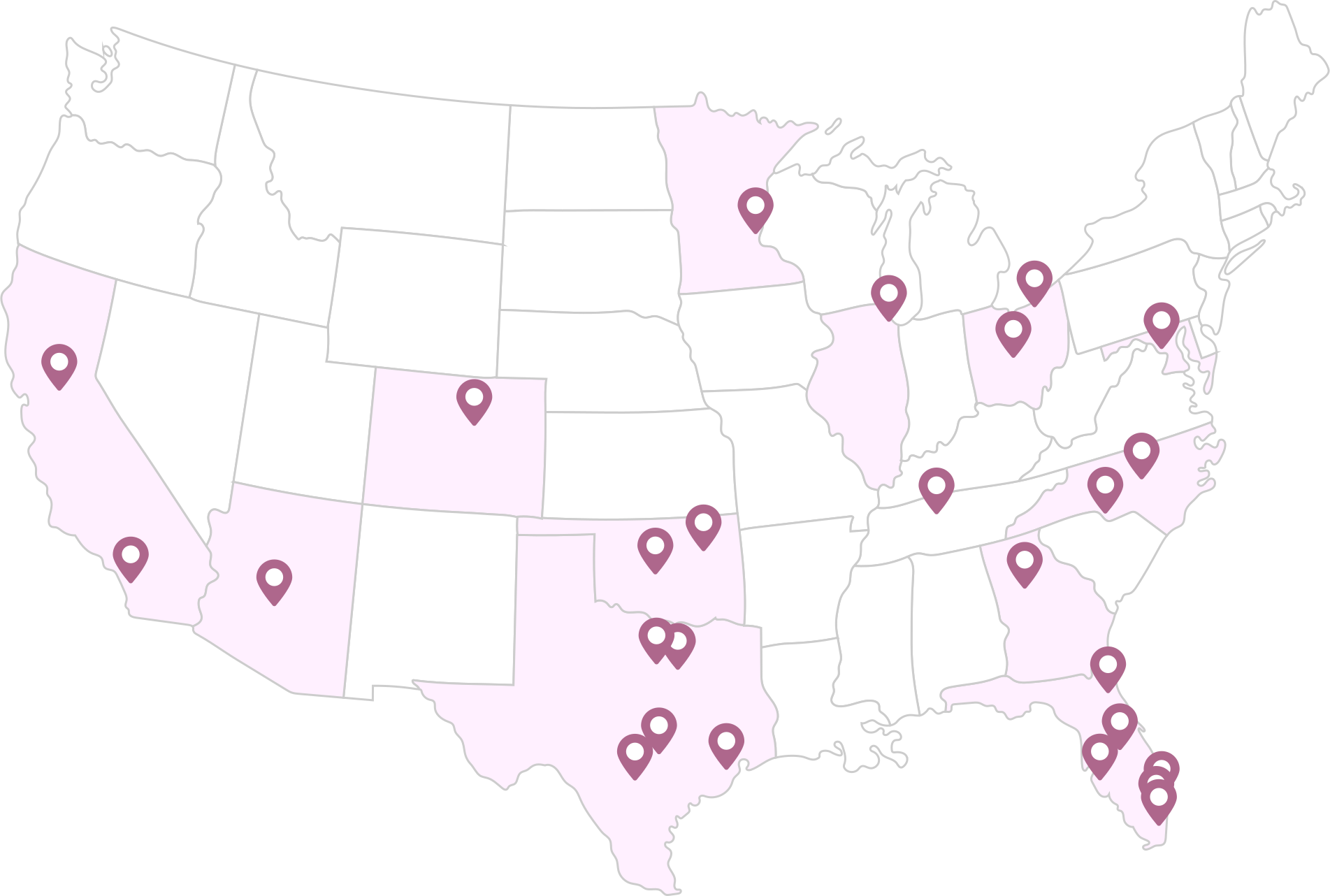
Little Bellies Spa was founded in 2015 with two locations in Florida, we have expanded to offer our services nationwide. We provide tools and support to women during the most beautiful and happy period of their lives.
In 2016 we introduced our Stretch Mark Therapy products. These products are now used by thousands of pregnant women to prevent and heal stretch marks. Find them at you local Little bellies Spa location or Amazon Prime.
Back in 1998, the Medical Chief Officer of Pancitas Group Dr. Israel Pesate, a renowned OB/GYN with over 30 years of experience, had a vision of a website that would focus on pregnancy issues and support for mommies and future mommies and Embarazada.com was born. He is the creator of all of the medical content which is also Pancita's Group intellectual backbone. Nowadays, Embarazada.com has well over 5 million views a month.